In praise of the unhurried cast
This opinion piece argues that realistic virtual fishing is at its most rewarding when played slowly, with attention and curiosity rather than haste.
A different kind of game
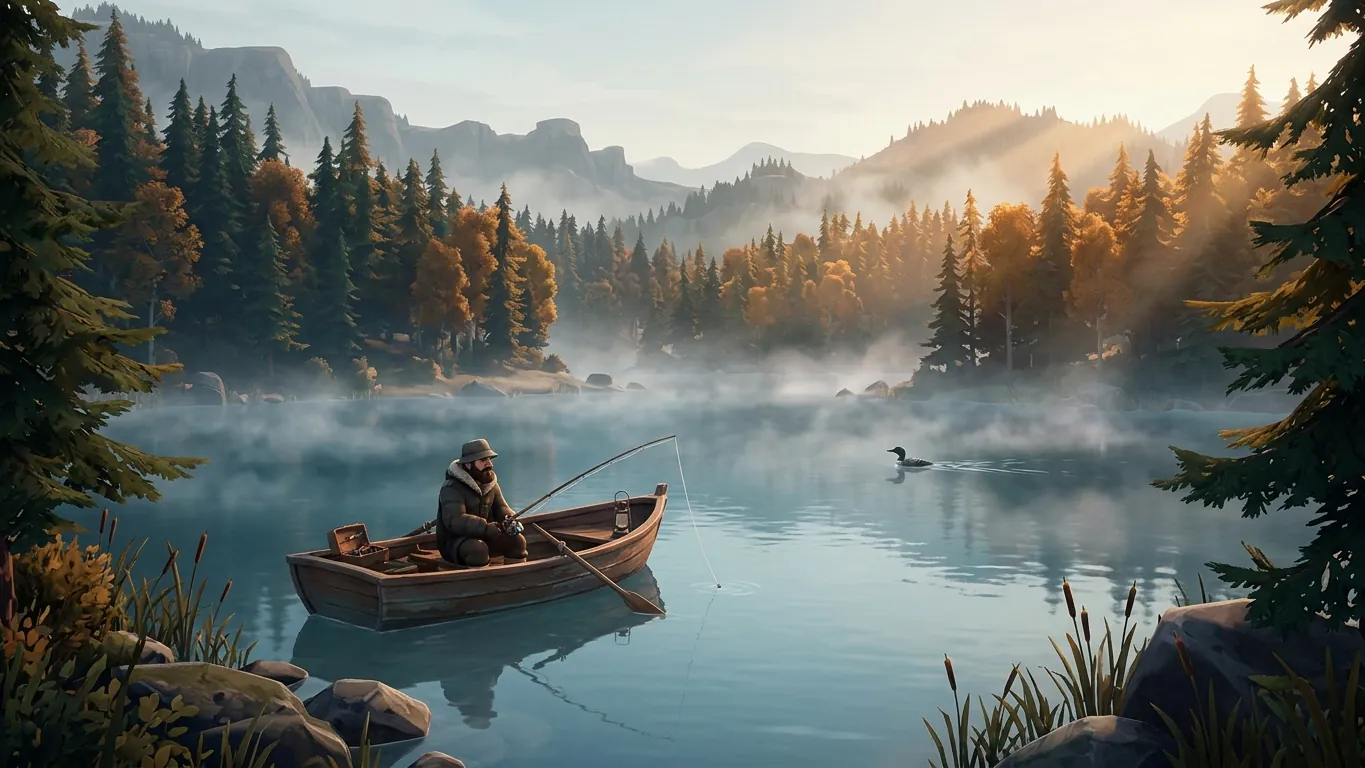
Many games are built around speed: quick decisions, constant action and frequent rewards. Realistic fishing games ask for something else. They offer stillness, waiting and small decisions whose effects may not be obvious for some time.
In my view, this is not a weakness to be worked around but the heart of the experience. Canadian Fishing 4, approached with patience, can feel less like a race and more like a quiet walk by the water. The pleasure comes as much from the setting, the light on the lake and the slow building of understanding as from any individual catch.
That perspective shapes everything on this blog, and it is worth explaining why.
What patience reveals
When you slow down, you start to notice things. The way ripples shift when the wind changes. The faint movement of a float before a real bite. The difference between a spot that is quiet and one that is simply waiting for the right moment.
These details are easy to miss when you are rushing from one location to the next. They only appear when you give a place and a setup enough time. And once you notice them, the game becomes richer. Each session holds small discoveries, and the world begins to feel more alive.
Patience is not just about waiting for fish. It is about giving yourself time to see what is actually happening.
The value of quiet sessions
Some sessions end without a single catch. It is tempting to see them as wasted time, but I would argue the opposite. A quiet session still teaches you something: that a certain spot was inactive under certain conditions, or that a setup did not suit the water.
Quiet sessions can also be restful in their own right. There is something calming about watching virtual water at dusk, listening to the ambient sounds of the game and simply being present. Not every session needs to be productive in the narrow sense.
Recording these sessions in a journal keeps them meaningful. They become part of the larger story of how your understanding grows.
Slow does not mean passive
An unhurried approach is not the same as doing nothing. Slow play involves active attention: observing conditions, thinking about choices, adjusting carefully and reflecting afterwards. In many ways it asks more of you than fast play does.
The difference is in the rhythm. Instead of reacting constantly, you make fewer, more considered decisions and watch their effects closely. Each choice becomes a small question, and the session becomes a conversation with the water rather than a series of guesses.
This kind of attentive play tends to build skill that lasts, because it is based on understanding rather than repetition.
An invitation to slow down
Of course, everyone plays differently, and there is no single right way to enjoy a game. Some evenings call for a quick, relaxed cast or two, and that is perfectly fine.
But if you have felt frustrated by inconsistent results, or if the game has started to feel repetitive, I would gently suggest trying a slower session. Pick one spot, one setup and one question. Watch the water before you cast. Give it time. Write a few lines afterwards.
You may find that the game opens up in ways you did not expect, and that the unhurried cast becomes the part you look forward to most.
Related articles
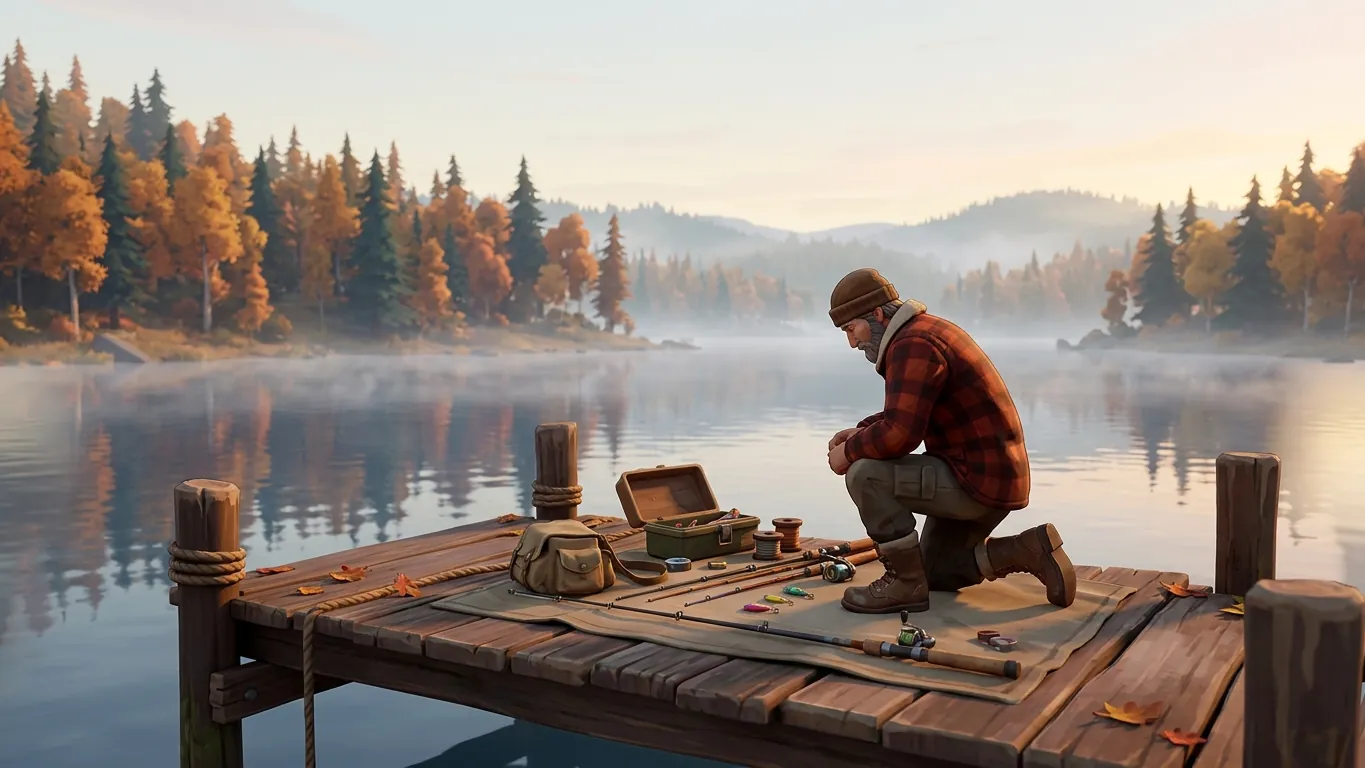 Understanding your tackle, one piece at a time
A calm explainer on rods, reels, line, hooks and lures in Canadian Fishing 4, and how to think about each part of your tackle setup.
Read more
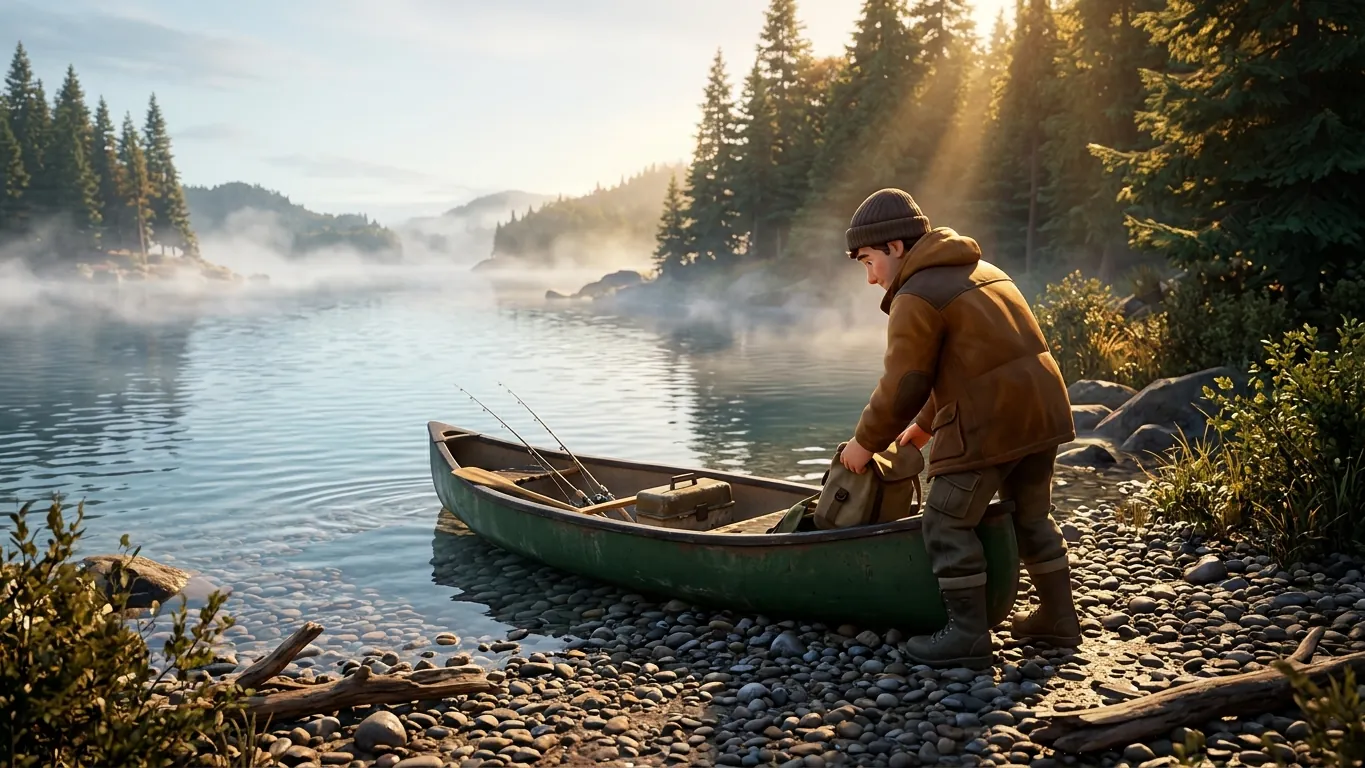 Before the first cast: preparing a thoughtful session
How to prepare for a session in Canadian Fishing 4: setting a goal, choosing a spot, packing suitable tackle and starting with a calm plan.
Read more
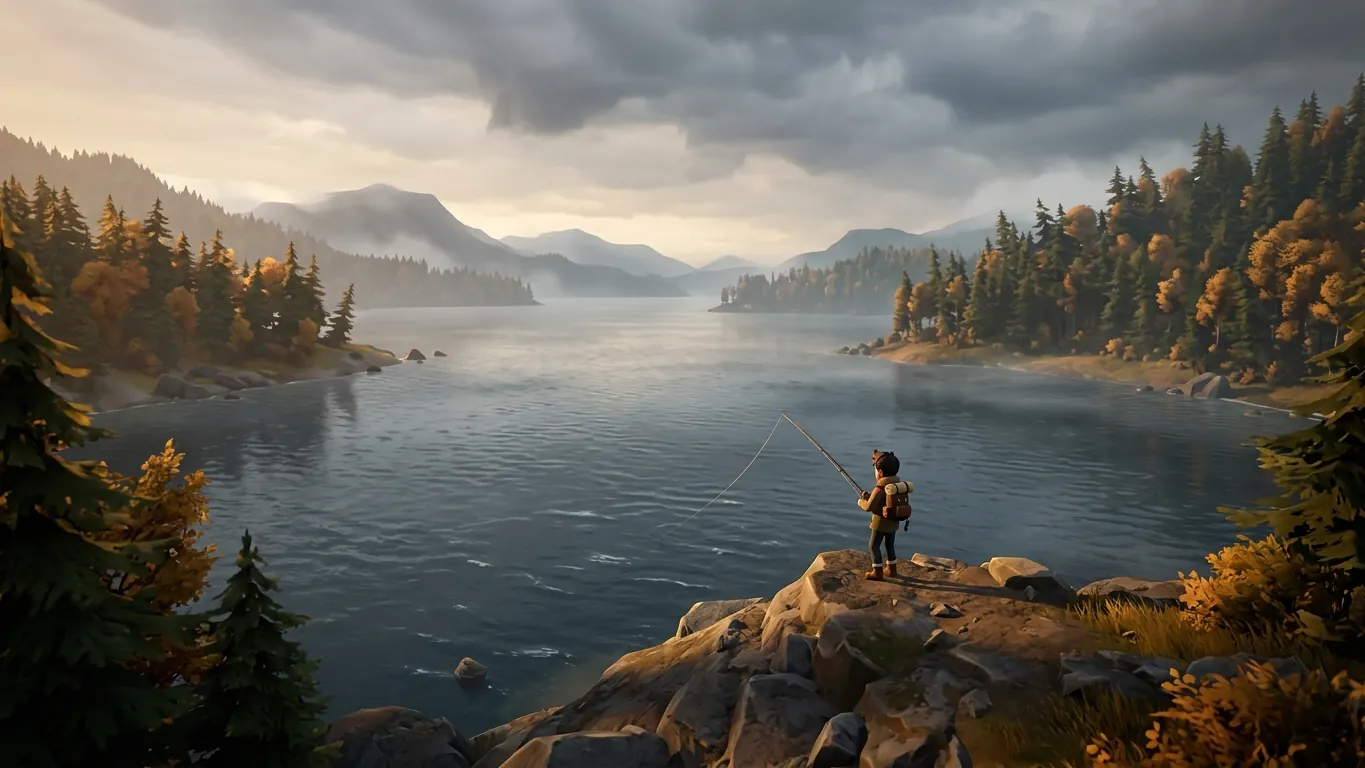 Watching the lake before you cast
Learn to observe light, weather, wind and water in Canadian Fishing 4 and use those observations to make calmer, more informed decisions.
Read more