Watching the lake before you cast
Conditions on the water are part of the story of every session. This guide explains how to observe light, weather and water carefully and turn what you see into thoughtful decisions.
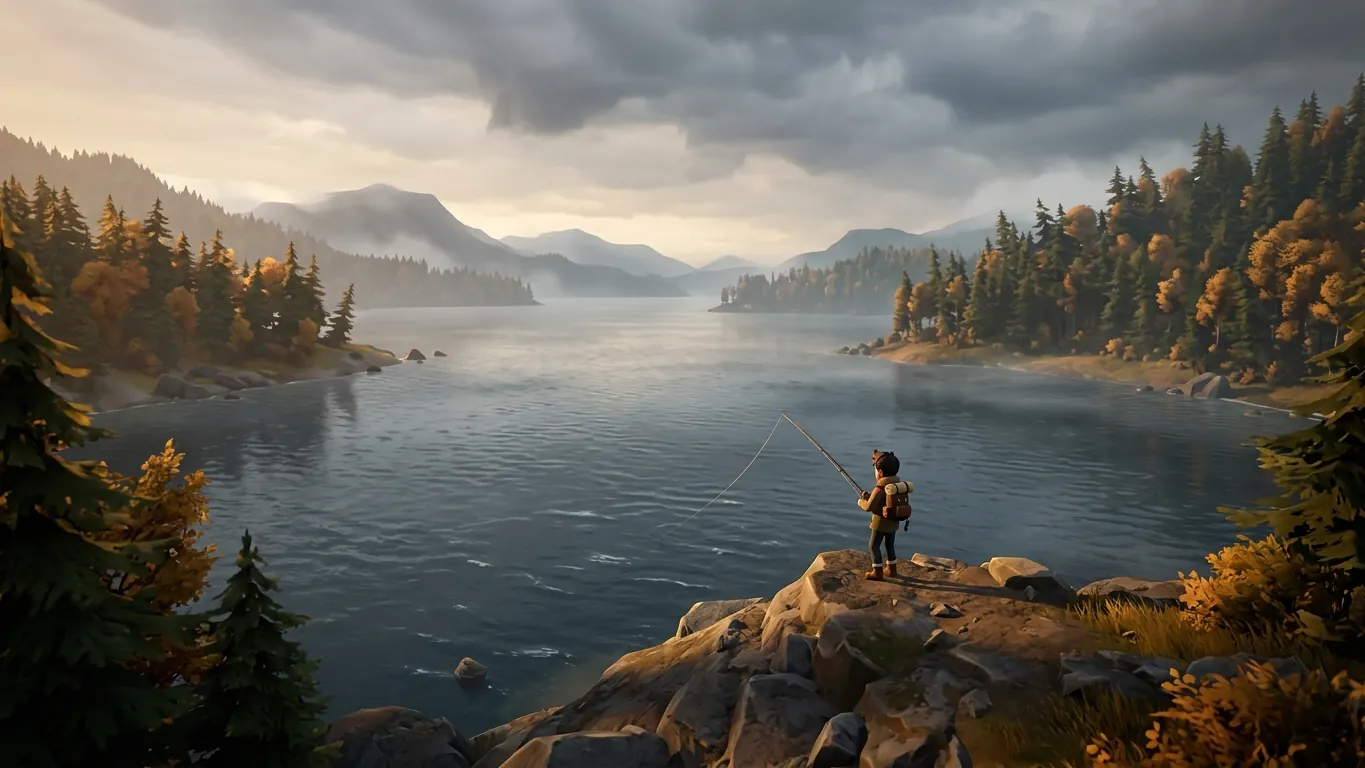
Observation as a skill
Observation sounds passive, but it is one of the most active skills in realistic fishing games. Before casting, spend a minute simply looking. What is the light like? Is the surface calm or broken by wind? Is there visible cover such as reeds, rocks or fallen trees?
These details matter because they shape the context of everything that follows. A setup that seems to work on a bright, calm morning may behave differently on a windy, overcast afternoon. Without noting the conditions, it is hard to know whether a change in results came from your choices or from the world around you.
The aim is not to become an expert forecaster. It is to build the habit of noticing, then recording what you notice.
Light and time of day
If the game presents changes across the day, light is one of the clearest conditions to watch. Early morning and late evening tend to bring softer, lower light, while midday is brighter and harsher. Many anglers, real and virtual, treat these shifts as meaningful, and it is worth testing that idea in your own sessions.
A simple approach is to fish the same spot with the same setup at different times and compare your notes. Did bites come more steadily at one time than another? Did certain lures seem to draw more attention in lower light? Treat each comparison as one piece of evidence rather than a final verdict.
Light also affects how you play. In dim conditions, watching your line and float closely becomes even more important.
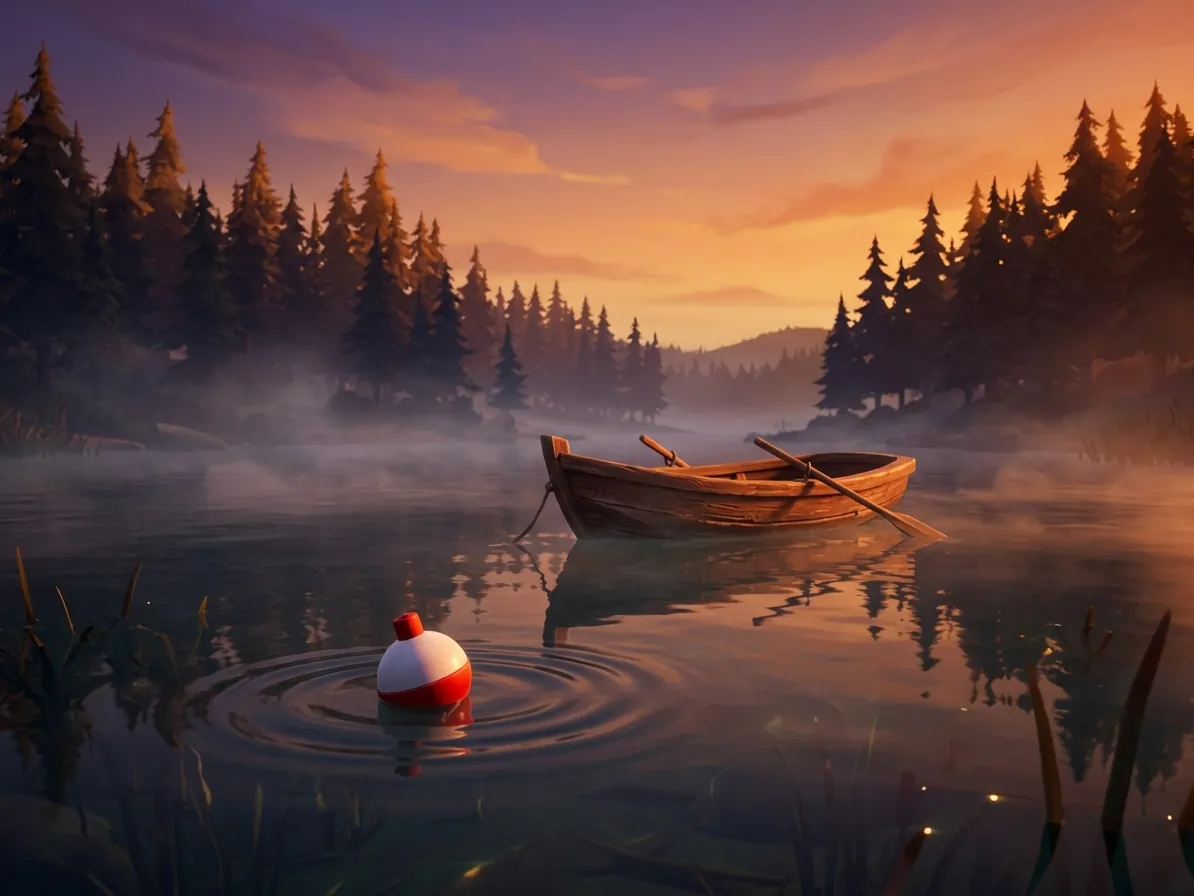
Weather, wind and the surface
Weather changes the feel of a session. Overcast skies soften the light, rain adds movement to the surface, and wind can push ripples and drift across the water. Where the game models these effects, they are worth noting carefully.
Wind in particular deserves attention. It can affect your casting direction and the way a float or line drifts. Some anglers like to fish towards a windblown shore, reasoning that moving water carries food that way. That is a theory to test rather than a rule to follow blindly.
When the weather shifts during a session, make a quick note of when it happened. Changes in activity that line up with weather changes are some of the most interesting patterns you can uncover.
Structure beneath the surface
Not every important condition is visible from the sky. The shape of the water itself matters: shallow flats, deeper channels, drop-offs, weed beds and submerged rocks or timber all create different environments for fish.
Even without special equipment, you can read some of this from what you see. Reeds and lily pads suggest shallow, sheltered water. A rocky point often hints at a slope into deeper water. A fallen tree offers cover. Try casting along the edges of these features rather than into open water, and note any differences.
If the game offers tools for understanding depth, use them to confirm or challenge your visual impressions.
Turning observations into decisions
Observations are only useful if they inform what you do next. A good pattern is simple: notice, decide, test, record. You notice the wind has picked up, decide to try the sheltered side of the bay, test it for a set period and record the result.
Over many sessions, these small cycles build a personal understanding of how conditions interact with your choices. That understanding will never be perfect, and there will always be days that surprise you. That uncertainty is part of what makes realistic virtual fishing absorbing.
The quiet minute you spend looking at the lake before casting may be the most productive minute of the whole session.
Related articles
 Steady hands: managing the fight
Calm advice on hooking, playing and landing fish in Canadian Fishing 4, with notes on drag, line tension and patience during the fight.
Read more
 The angler's notebook: recording what the water teaches
Why and how to keep a fishing journal for Canadian Fishing 4: what to record, how to review it and how notes turn sessions into steady learning.
Read more
 One skill at a time: a gradual path on the water
A gradual path for improving in Canadian Fishing 4, from first casts to confident setups, focusing on one skill at a time and honest reflection.
Read more