One skill at a time: a gradual path on the water
Progress in a realistic fishing game rarely comes in leaps. This guide outlines a steady, layered approach to improving, with each stage building quietly on the last.
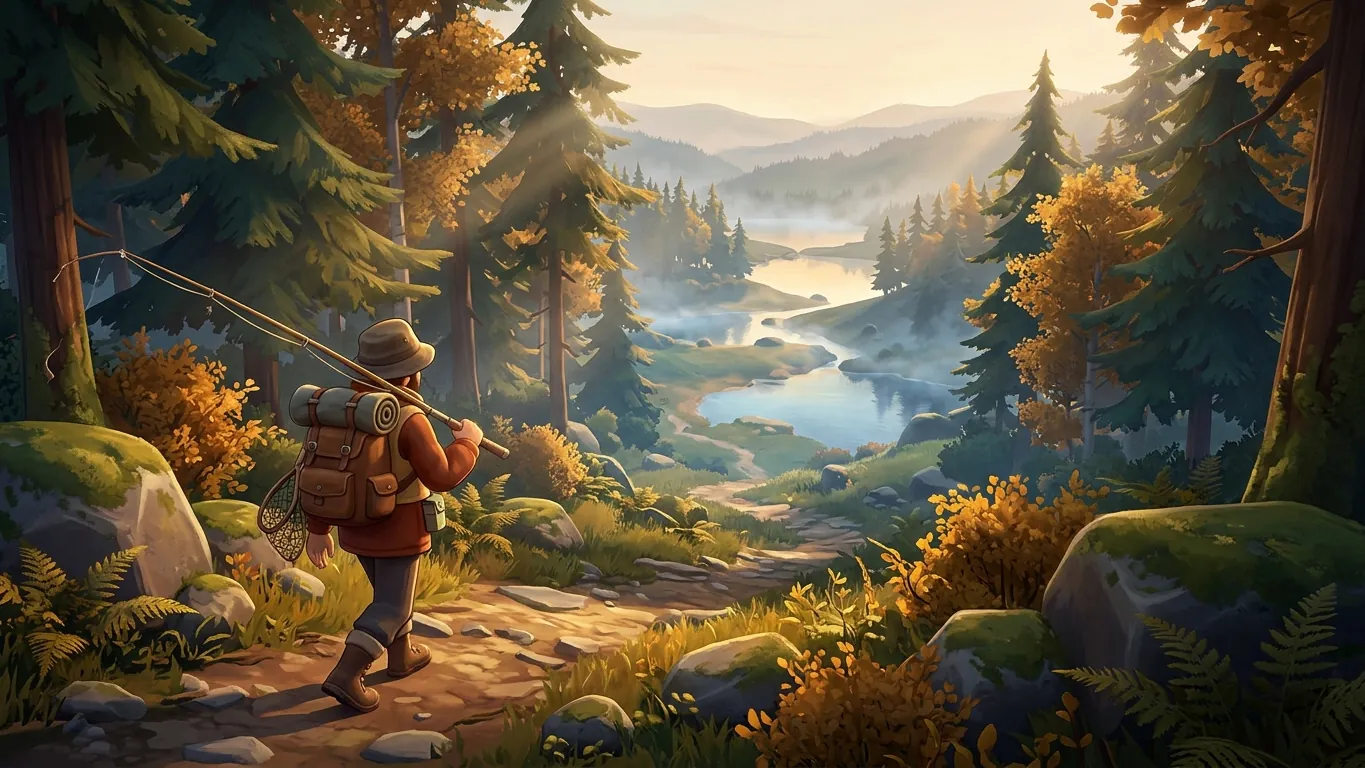
Progress without hurry
There is a natural urge to improve quickly: to reach larger fish, more demanding locations and more specialised tackle as soon as possible. Yet skipping the foundations often leads to frustration, with lost fish and confusing results that are hard to explain.
A gradual approach treats each skill as worth learning properly before moving on. It is slower in the short term, but it builds understanding that holds up when conditions change or new challenges appear. It also keeps the experience calm and enjoyable, which is much of the appeal of virtual fishing in the first place.
The stages below are not rigid levels. They are a loose map you can adapt to your own pace.
Four stages of a gradual path
Each stage focuses on one area of skill. Stay with a stage until it feels comfortable, then move on.
- 01
Casting and presentation
Practise placing your bait or lure where you intend, at different distances, and observe how it behaves in the water.
- 02
Recognising bites
Learn to read the signals of a bite with different setups and to time your response calmly.
- 03
Managing the fight
Focus on line tension and drag, aiming for steady control rather than speed.
- 04
Reading conditions
Begin connecting your results to light, weather, water and location, and test those connections deliberately.
Practising with purpose
Purposeful practice means choosing one thing to improve in a session and paying close attention to it. If you are working on casting accuracy, pick a few targets near cover and try to land your bait close to each, noting how often you succeed. If you are working on bite recognition, use a single setup and watch the float or line closely for the whole session.
This focus may mean catching fewer fish in some sessions, because your attention is on one skill rather than on results. That is a fair trade. The skill you sharpen will support every future outing.
Write a sentence in your journal about how the practice went. Even small observations, such as casts drifting left in wind, give you something concrete to work on.
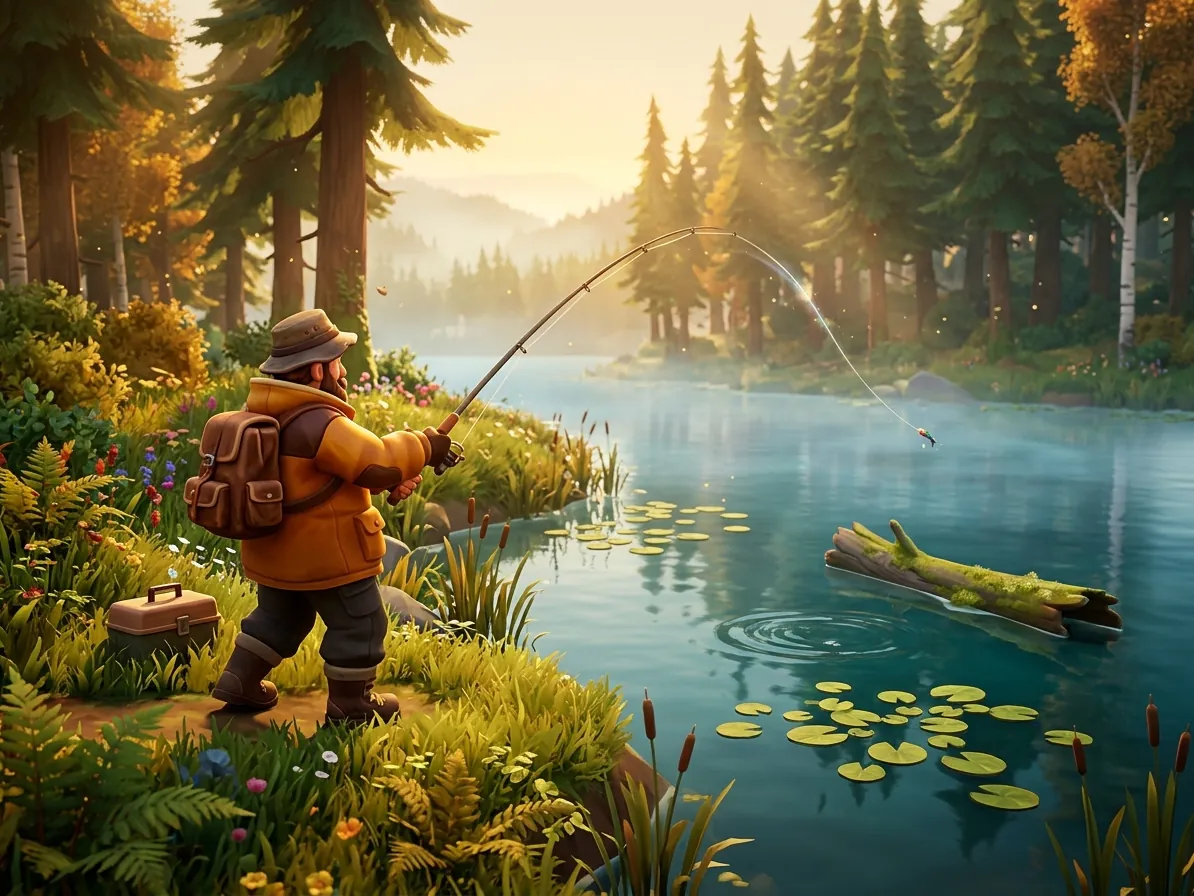
Knowing when to move on
It can be hard to tell when a stage is complete. A useful sign is that the skill no longer demands your full attention. When you can cast accurately while also thinking about conditions, or recognise bites without staring intently at the float, the skill has started to become natural.
Another sign is consistency across sessions. If your notes show steady results with a given skill over several outings, rather than one good day, you are probably ready to add something new.
Moving on does not mean leaving the earlier skills behind. Each stage remains part of every session, and you may return to focus on one again whenever it slips.
Avoiding the plateau
Most players reach a point where progress seems to stall. Sessions feel similar, results stay much the same, and it is unclear what to change. This is a normal part of learning.
When it happens, try changing one variable deliberately: a new location, a different time of day, an unfamiliar lure type or a lighter line. Fresh conditions often reveal gaps in understanding that familiar situations hide. Reviewing older journal entries can also help, as patterns sometimes become visible only from a distance.
A plateau is not a wall. It is usually a sign that you have absorbed one layer of skill and are ready to look more closely at the next.
Related articles
 Small missteps on the water and how to adjust
A look at common habits that hold new players back in Canadian Fishing 4, from mismatched tackle to impatience, with calm ways to adjust.
Read more
 In praise of the unhurried cast
An opinion piece on why an unhurried, observant approach makes realistic virtual fishing in Canadian Fishing 4 more rewarding to play.
Read more
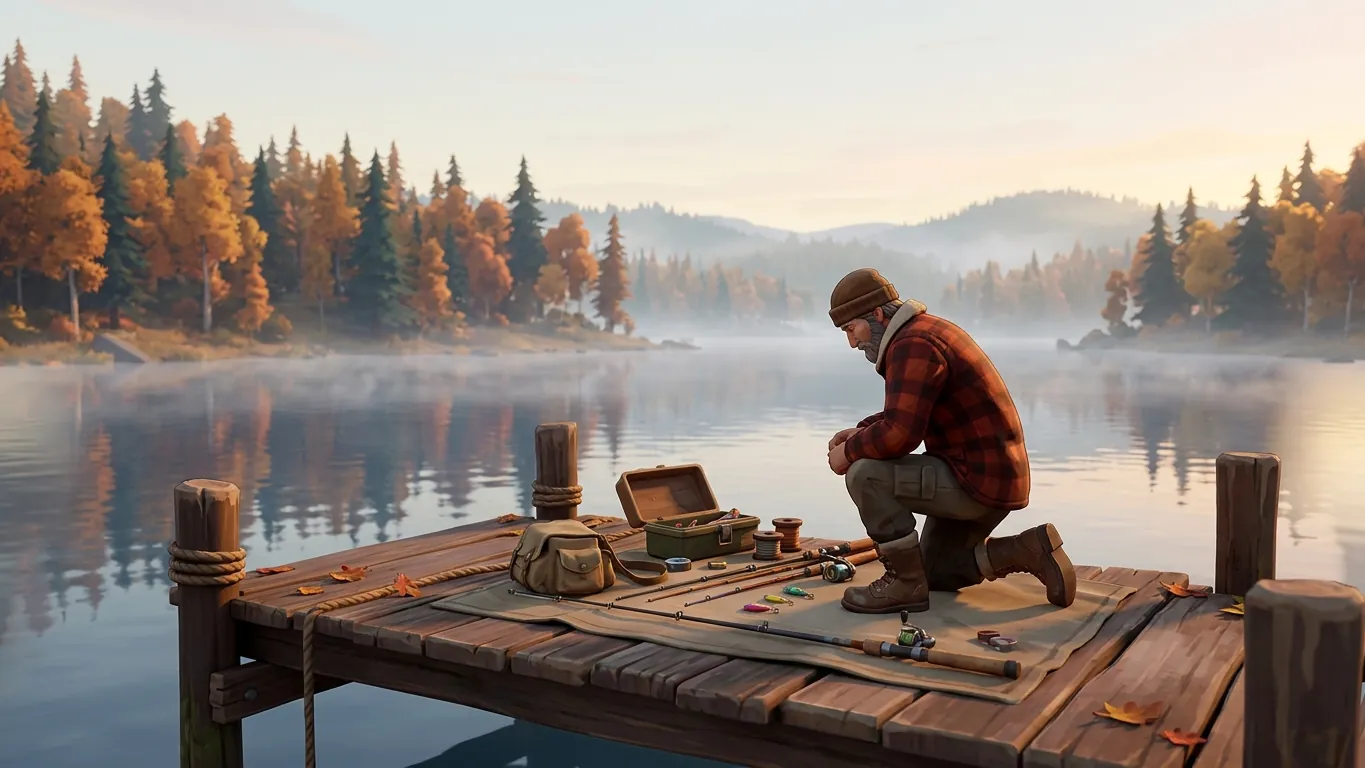 Understanding your tackle, one piece at a time
A calm explainer on rods, reels, line, hooks and lures in Canadian Fishing 4, and how to think about each part of your tackle setup.
Read more