Small missteps on the water and how to adjust
Every angler makes mistakes, and they are often the best teachers. This article looks at common habits that hold new players back and suggests calm, practical adjustments.
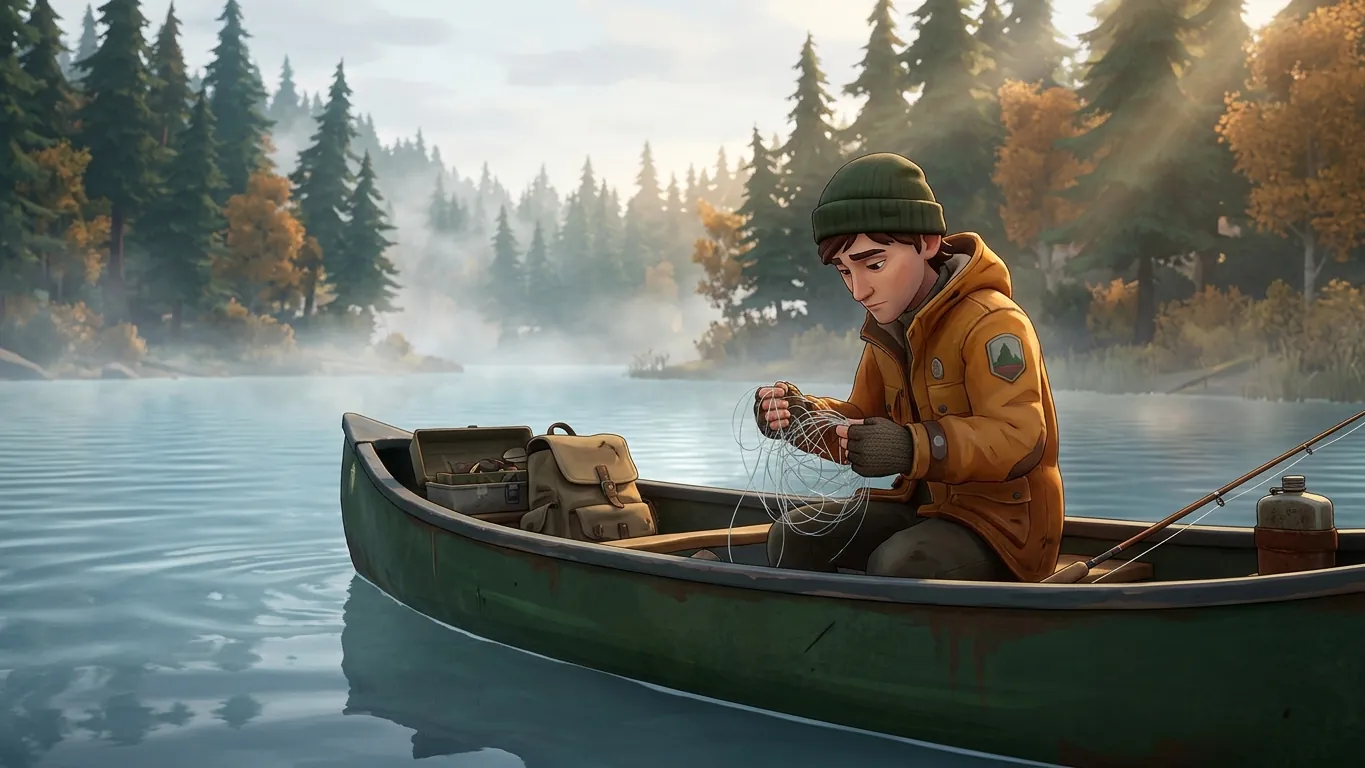
Mistakes as part of learning
No one arrives at a realistic fishing game already knowing how to use it well. Lost fish, empty sessions and confusing results are part of the process. The aim of this article is not to scold but to point out common patterns, so you can recognise them in your own play and adjust gently.
Most of these mistakes come from understandable instincts: wanting results quickly, trusting the strongest-looking gear or reacting fast when something happens. Recognising those instincts is the first step towards replacing them with calmer habits.
Mismatched tackle
One of the most frequent issues is a setup whose parts do not suit each other or the target fish. A heavy rod with delicate line, a large hook for small fish or a lure far too big for the species you are hoping to catch can all lead to missed bites and lost fish.
The adjustment is to think of tackle as a chain and check that each link makes sense alongside the others. Before casting, ask what you expect to catch and whether your rod, line, hook and bait all fit that expectation. A balanced, moderate setup is often a better starting point than an extreme one.
Changing too much, too quickly
When fishing is slow, it is natural to start swapping things: a new lure, then a new spot, then a different line, all within a few minutes. The problem is that rapid changes make it impossible to learn which choice actually matters.
Try giving each setup and location a fair period before changing anything, and change only one element at a time. If you swap your lure, keep the spot and line the same. This approach feels slower but turns every change into a small, readable experiment.
Noting the time of each change in your journal makes it easier to connect later bites, or the lack of them, to the decisions you made.
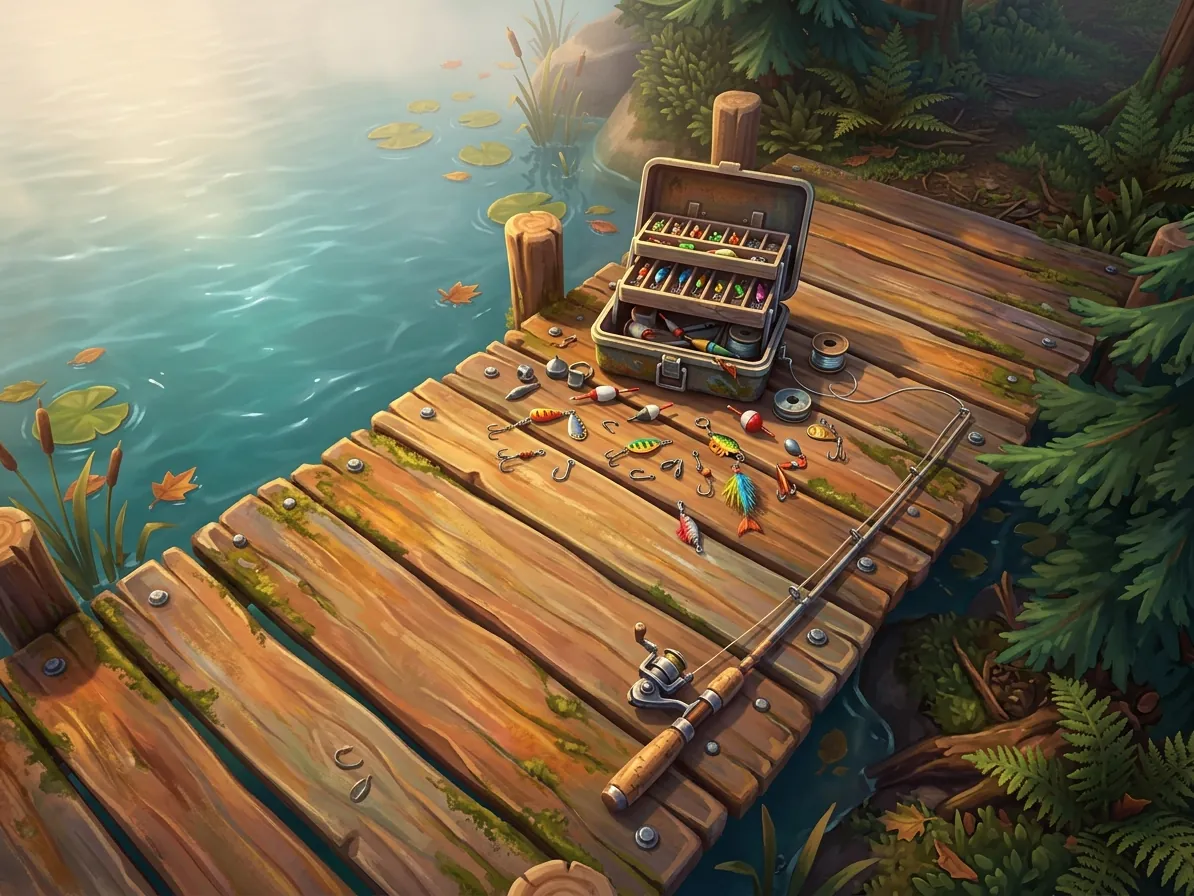
Ignoring the conditions
New players often treat each session as identical, using the same approach regardless of light, weather or location. Yet conditions can shape a session considerably, and a setup that seemed effective one day may not behave the same way the next.
The adjustment is simple: spend a moment observing before casting, and record what you see. You do not need a theory for every condition. Simply noting them makes it possible to spot patterns later, rather than attributing every change to luck.
Rushing the fight
When a fish is finally hooked, excitement can take over. Reeling hard and fast is a common reaction, and it often leads to snapped lines or hooks pulling free. Strong fish in particular need time.
Instead, focus on keeping line tension within a comfortable range. Let the fish run against the drag when it pulls hard, and recover line when it eases. A steady rhythm usually serves better than force.
Skipping the review
The final common mistake happens after the session ends. Closing the game without reflecting means the lessons of that session fade quickly. Over time, the same mistakes repeat without being noticed.
A short review, even a few lines in a journal, breaks that cycle. Write down what you tried, what happened and one thing to test next time. These small notes are the quiet foundation of steady improvement, and they turn each mistake into something useful rather than something merely frustrating.
Related articles
 In praise of the unhurried cast
An opinion piece on why an unhurried, observant approach makes realistic virtual fishing in Canadian Fishing 4 more rewarding to play.
Read more
 Understanding your tackle, one piece at a time
A calm explainer on rods, reels, line, hooks and lures in Canadian Fishing 4, and how to think about each part of your tackle setup.
Read more
 Before the first cast: preparing a thoughtful session
How to prepare for a session in Canadian Fishing 4: setting a goal, choosing a spot, packing suitable tackle and starting with a calm plan.
Read more