Steady hands: managing the fight
The moment a fish takes the bait is only the beginning. This article looks at line tension, drag and patience during the fight, with a focus on calm, deliberate play.
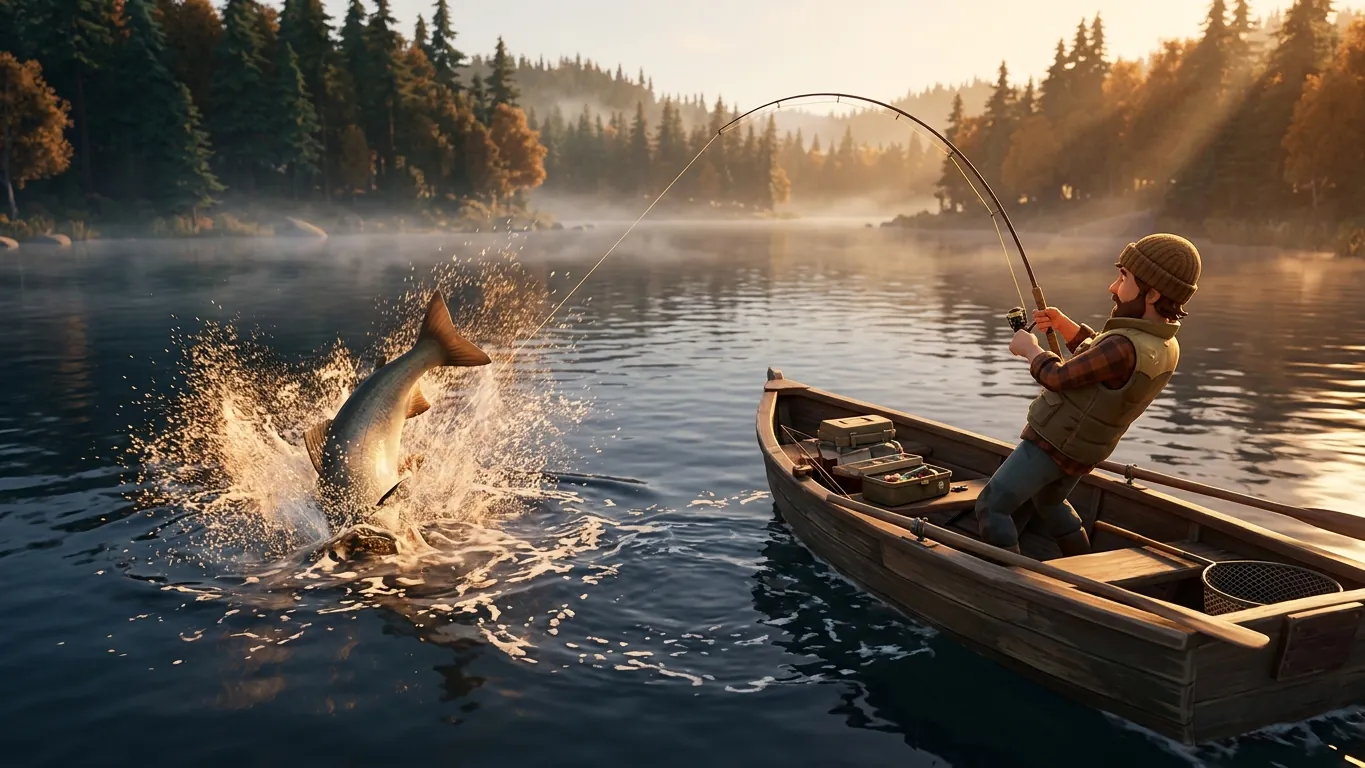
The moment of the bite
Every fight begins with a bite, and the way you respond in those first seconds often shapes what follows. Many new players react too quickly, striking at the first twitch, or too slowly, waiting until the fish has dropped the bait.
Rather than reacting on instinct, watch closely. A float may tremble, dip or slide sideways. A line may tighten or slacken. Lures may stop moving naturally. Each of these is a signal, and the right response can vary with bait type and species.
A useful habit is to note how bites appear with each setup you use. Over time you will start to recognise the difference between a tentative nibble and a committed take, and your timing will settle naturally.
Reading tension
Once a fish is hooked, line tension becomes the centre of attention. Realistic fishing games usually give you some way to sense how much strain is on the line, whether through visual feedback, rod movement or other cues. Learning to read these signals is far more valuable than reeling as fast as possible.
Think of tension as a range rather than a single point. Too much, and the line or hook may fail. Too little, and the fish may shake free or swim into cover. Your task is to keep it within a comfortable middle band, easing off when strain builds and recovering line when it relaxes.
When a fish makes a strong run, the instinct is to fight back hard. Often it is wiser to let it run against the drag and wait for the pull to ease.
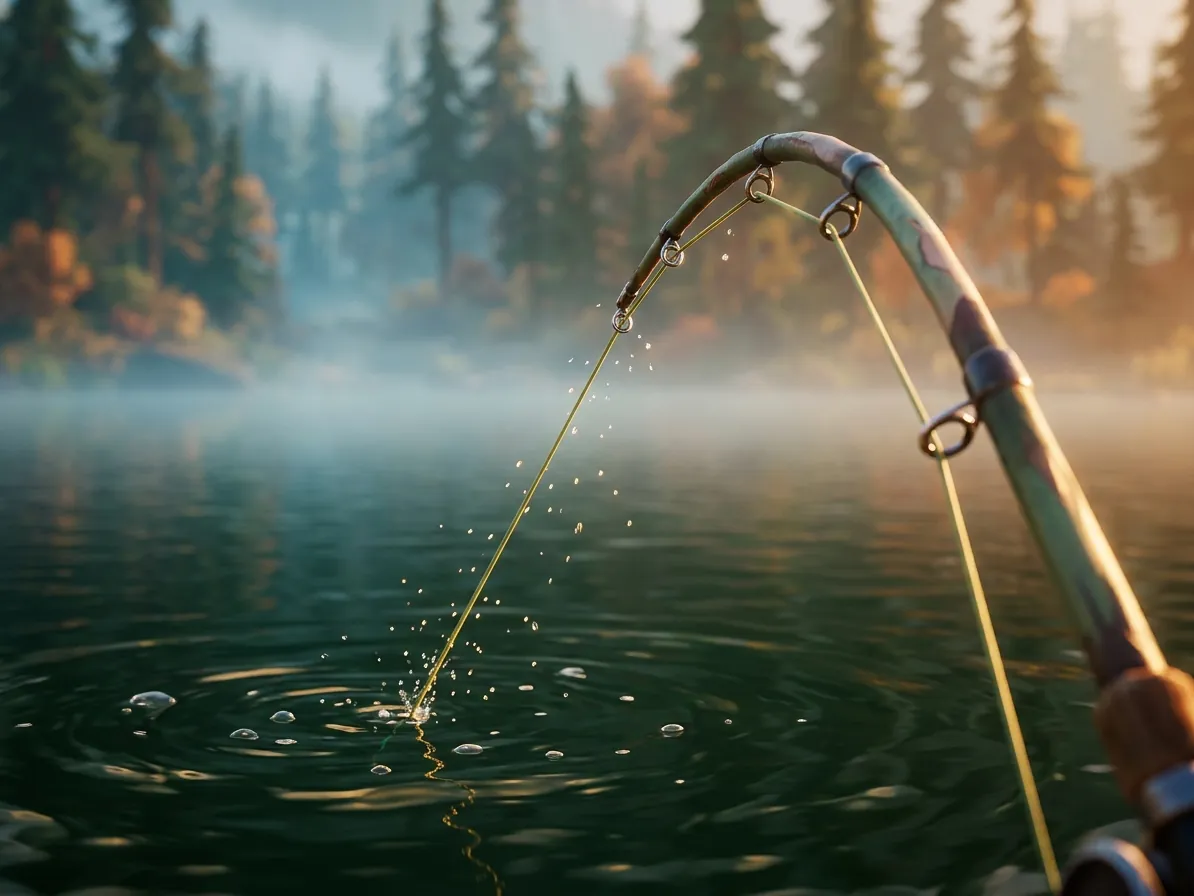
Drag as a conversation
Drag is best thought of as a conversation between you and the fish. A well-set drag lets line slip out under heavy strain, protecting your setup, while still applying enough resistance to tire the fish gradually.
If you find that fish frequently break off, your drag may be set too tight for your line strength. If fish seem to take line endlessly without tiring, it may be too loose. Adjust in small steps and note the result each time.
Some players prefer to set drag before the session and leave it alone; others adjust during a fight. Either can work, but making changes thoughtfully, rather than in a panic, is what matters.
Patience during long fights
Larger or stronger fish can take time to bring in. These longer fights are where patience truly pays off. Rushing tends to push tension too high, while steady, measured pressure gives the fish time to tire.
Try to establish a rhythm: recover line when the fish turns towards you or eases off, hold steady or give a little when it pulls away. Watch for changes in direction and be ready to adjust. Keeping the fish away from snags such as weed beds or fallen timber is also worth bearing in mind if the game models them.
A long fight that ends with a lost fish is still useful practice. You will have learned something about rhythm and timing that a quick catch cannot teach.
Learning from lost fish
Every angler loses fish, and virtual anglers are no exception. The key is to treat each loss as information rather than frustration. Ask what happened. Did the line break under a sudden run? Did the hook pull free when tension dropped? Did the fish reach cover?
Write a brief note after each loss, including your setup and drag setting. Over several sessions you may see a pattern, such as repeated break-offs with one particular line strength, that points clearly to an adjustment worth trying.
Steady hands come from experience, and experience comes from paying attention to both the fish you land and the ones that swim away.
Related articles
 The angler's notebook: recording what the water teaches
Why and how to keep a fishing journal for Canadian Fishing 4: what to record, how to review it and how notes turn sessions into steady learning.
Read more
 One skill at a time: a gradual path on the water
A gradual path for improving in Canadian Fishing 4, from first casts to confident setups, focusing on one skill at a time and honest reflection.
Read more
 Small missteps on the water and how to adjust
A look at common habits that hold new players back in Canadian Fishing 4, from mismatched tackle to impatience, with calm ways to adjust.
Read more